
How a stylist learns a new technique before it ever touches a client
Every few months one of the girls comes back from a training day buzzing about a new way of placing colour or cutting a shape. You will not see it on your head the following Tuesday. Before a new technique goes anywhere near a paying client, it goes through four stages here: learn it, practise it on a training head, do it on a model, then do it with someone watching.
That takes weeks, sometimes months. Here is what actually happens in that time, and why I will not let anyone skip a step.
The short version
New techniques are learned on courses, then practised on training heads first.
Training heads show placement and sectioning, but they cannot react like real hair.
Next comes a model: a friend or family member who knows it is practice.
First paying clients are done with a senior stylist checking each stage.
Any new colour product means a fresh patch test, even for regulars.
Step one: learning a new technique properly
Most new techniques arrive through education days run by colour brands, independent educators or online classes we watch together after closing. A good course shows you the why as well as the how. Why the sections sit at that angle, why the lightener goes on in that order, and what the result should look like three months later as well as on the day.
Online videos are useful for ideas, but they make everything look quicker than it is. A 60 second clip of a root melt skips the consultation, the sectioning and the twenty minutes of checking. So we treat videos as a starting point and the course as the actual learning.
Training heads: where the mistakes happen
After the course, the technique goes onto a training head. These are mannequin heads with real or synthetic hair, and most salons that train their team have a cupboard full of them. You can section, foil, cut and redo as many times as you like, and nobody leaves upset.
Training heads are brilliant for hand position and timing. They are hopeless for anything to do with how hair behaves. Synthetic hair does not lift like natural hair, and even real-hair heads have usually been processed already. So a technique that looks perfect on a mannequin still has more to prove.
I like to see the same technique done cleanly on a training head several times before we move on. Doing it once well can be luck. Doing it five times well is a skill.
Practising on a model
The next stage is a live model. Usually that is a friend, a family member or someone from the team who is happy to sit for a few hours and knows they are helping someone practise. They get the service free or at a reduced price, and in return they accept it may take longer and that I might step in.
This is where the real learning happens. Real hair has a history: old colour, heat damage, a cowlick, a crown that sits differently. The stylist has to read all of that and adjust, which is the part no course can fully teach. We photograph the result, talk through what worked and what did not, and do it again on another model if needed.
Patch tests and new products
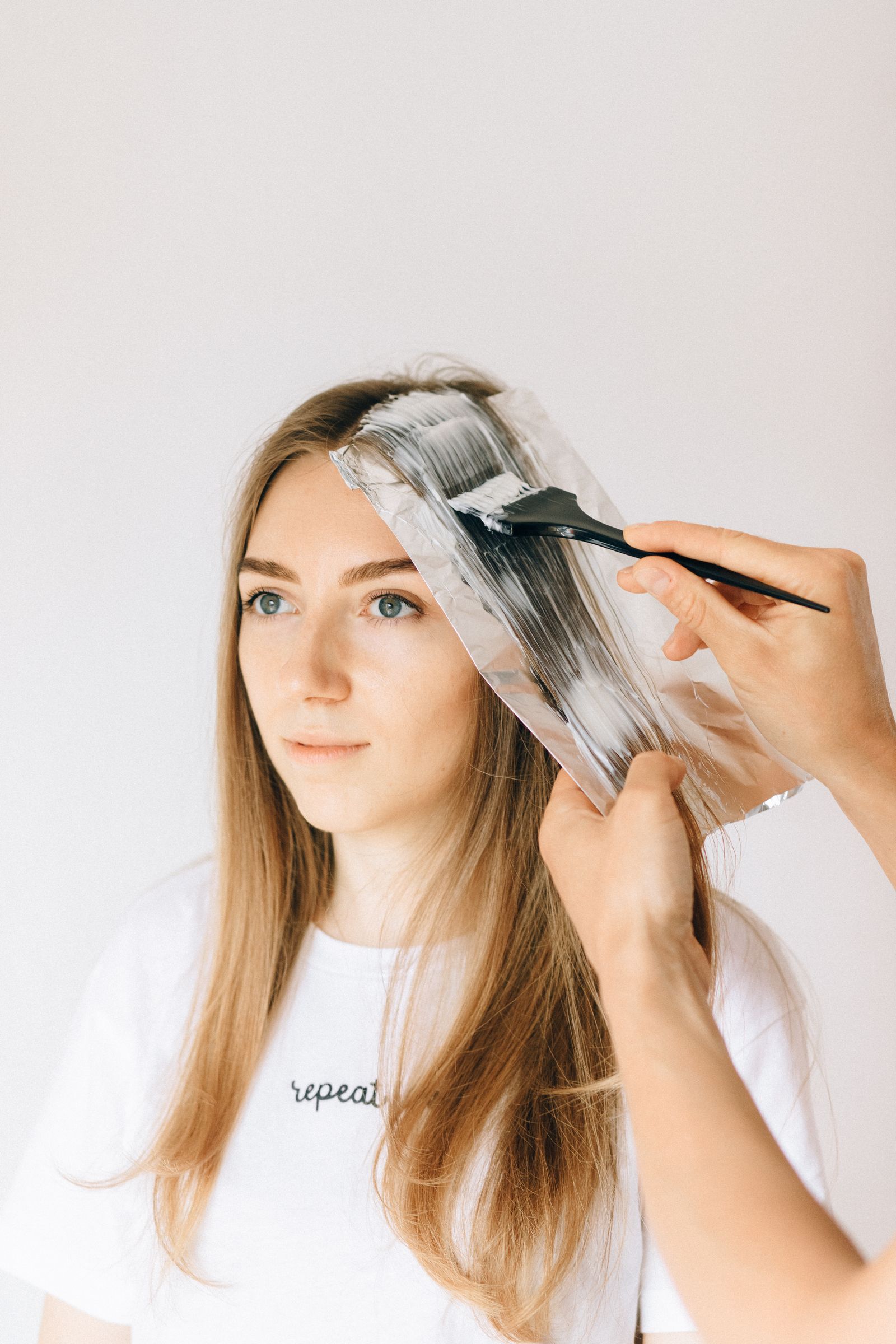
If a new technique comes with a new colour line or lightener, the safety side starts again from scratch. Everyone gets a patch test before colour here anyway, and a new product means a new test, even for a client who has been in my chair for ten years.
The NHS guidance on hair dye reactions says to test a dye at least 48 hours before you use it and to follow the instructions that come with it. That is the rule we work to, and it is worth a read if you have ever had a sore or itchy scalp after colour.
The first paying clients, and what it means for you
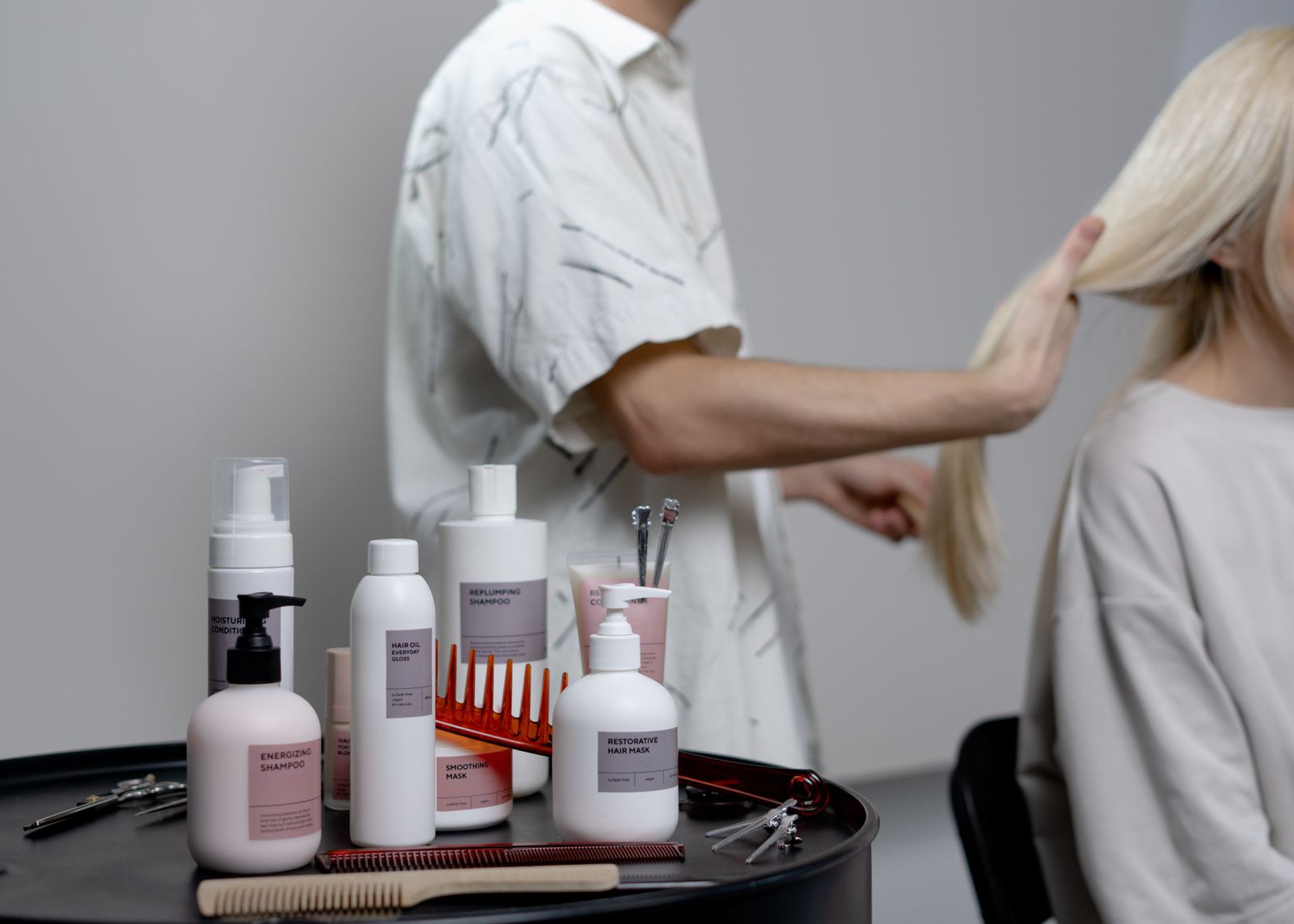
Once a stylist can do it confidently on models, it goes on the menu, but the first few paying clients still get a second pair of eyes. I or one of the senior girls will check the sectioning before the colour goes on, check the processing, and look at the result before the toner. The client usually just sees two of us chatting by the mirror.
We also book a bit of extra time for those first appointments. A new technique always takes longer while it is new, and I would rather the stylist finished slightly early than rushed the last section to keep to time.
If a technique is not right yet, we say so and it goes back to models. That has happened before and it will happen again. It is a lot better than finding out on a client.
If you ask for something you have seen online and we have not done it before, we will tell you. We might suggest something close that we do every week, or put your name down for when the technique is ready. Whatever you are booking, your stylist should be able to explain what they are going to do and why.
You can see every service and what it costs on our price list. If you want to talk through a new look first, call us on 01582 730381 or book online, and we will find you a time with the right stylist.

Comments